
Categories
NGO Jobs Skills
4.67 (3 Ratings)
Project Officer: Basic Skills for Social Development Projects
About Course
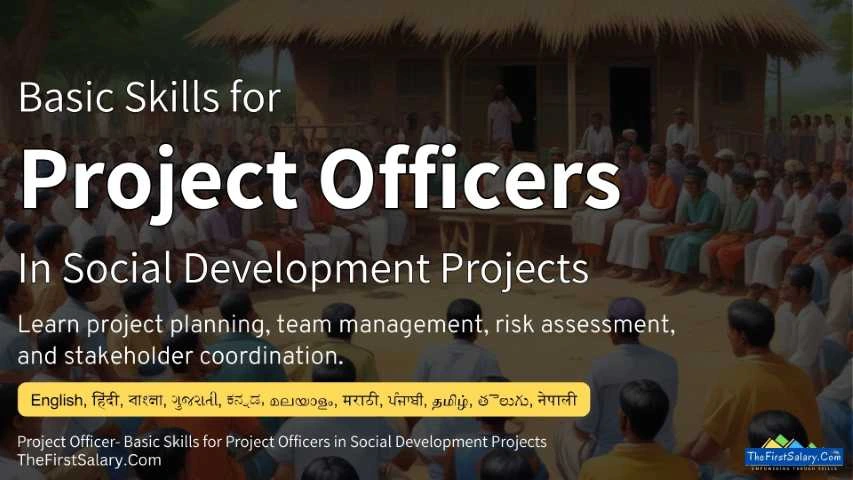
Project Officer- Start a rewarding career in project management in the non-profit sector with our course, "Project Officer- Basic Skills for Social Development Projects" This course is made for aspiring Project Officers, beginners, and those changing careers. It gives you the key skills and knowledge needed for this important job. Whether you are a new graduate, a volunteer, or have experience, this course will teach you basics of project management to ensure successful projects and positive community impact.
In 22 well-planned modules, you will learn about the various duties of a Project Officer. This includes project planning, design, implementation, monitoring, and evaluation. You will also learn how to work with stakeholders, manage finances, assess risks, and use management information systems. Improve your leadership and communication skills and understand ethical practices, community development, and rural advancement.
Are you eager to progress in NGO's project management? Enroll today and start your journey towards a successful future.
What I will learn?
- Learn basic project management skills for the non-profit sector (planning, design, implementation).
- Enhance skills in monitoring, evaluation, and reporting.
- Learn financial management, budgeting, and risk assessment for effective project tracking.
- Build leadership, team collaboration, and stakeholder engagement skills.
- Learn ethical practices, compliance, and strategies for community development and rural advancement.
Course Curriculum
Introduction to the e-Learning Course
This introduction lesson will guide you step by step on how to make the most of this course.
Module 1: Project Officer’s Role and Project Management
In Module 1, you will gain a comprehensive understanding of the role of a project officer and the fundamental principles of project management. From exploring responsibilities and key skills to understanding different project management methodologies, this module lays the groundwork for effective project leadership and execution.
-
-
-
-
Quiz Module 1: Project Officer’s Role and Project Management
Module 2: Project Planning and Design
This module deals in the details of project planning and design, essential for laying a strong foundation for successful project implementation. You will learn about project objectives, needs assessments, and brief of comprehensive project plans, timelines, and budgets, ensuring alignment with organizational goals and stakeholder expectations.
-
Lesson 1: Defining Project Objectives, Goals, and Deliverables
-
Lesson 2: Conducting Needs Assessments and Stakeholder Analysis
-
Lesson 3: Developing Project Plans, Timelines, and Budgets
-
Quiz Module 2: Project Planning and Design
Module 3: Training and Capacity Development
Module 3 explores the critical role of training and capacity development in building the skills and competencies of project teams and beneficiaries. You will learn to design, deliver, and evaluate effective training programs, empowering you to enhance organizational capacity and drive project impact.
-
Lesson 1: Designing Training Programs for Beneficiaries, Volunteers, and Team Members
-
Lesson 2: Delivering Effective Training Sessions
-
Lesson 3: Monitoring and Evaluating Training Outcomes
-
Quiz Module 3: Training and Capacity Development
Module 4: Stakeholder Engagement and Communication
Module 4 focuses on stakeholder engagement and communication, exploring strategies for identifying key stakeholders, establishing effective communication channels, and managing stakeholder expectations and feedback. From building relationships to managing conflicts, this module equips you with the skills needed to engage stakeholders and foster collaboration.
-
Lesson 1: Identifying and Engaging Key Stakeholders
-
Lesson 2: Establishing Effective Communication Channels and Protocols
-
Lesson 3: Managing Stakeholder Expectations and Feedback
-
Quiz Module 4: Stakeholder Engagement and Communication
Module 5: Introduction to Project Research and Analysis
This module provides an introduction to project research and analysis, equipping you with the tools and techniques needed to conduct research, analyze data, and report findings effectively. From understanding research methodologies to communicating research findings, this module lays the groundwork for evidence-based decision-making and project planning.
-
Lesson 1: Research Methodologies and Techniques
-
Lesson 2: Data Analysis and Interpretation
-
Lesson 3: Reporting Research Findings
-
Quiz Module 5: Introduction to Project Research and Analysis
Module 6: Financial Management and Budgeting
This module explores financial management and budgeting, offering insights into the role of finance in project management, developing project budgets, and monitoring project finances. From understanding financial responsibilities to tracking expenses and revenue, this module equips you with the skills needed to ensure financial sustainability and project success.
-
Lesson 1: Understanding the Role of Finance in Project Management
-
Lesson 2: Developing Project Budgets, including Cost Estimation and Allocation
-
Lesson 3: Monitoring and Managing Project Finances
-
Quiz Module 6: Financial Management and Budgeting
Module 7: Risk Management
In Module 7, you will learn to identify, assess, and mitigate risks inherent in project implementation. From understanding different types of risks to developing robust risk mitigation strategies and contingency plans, this module prepares you to proactively manage risks throughout the project life-cycle, ensuring project success and resilience.
-
Lesson 1: Identifying Potential Risks and Uncertainties in Project Implementation
-
Lesson 2: Developing Risk Mitigation Strategies and Contingency Plans
-
Lesson 3: Monitoring and Managing Risks throughout the Project Life-cycle
-
Quiz Module 7: Risk Management
Module 8: Management Information Systems (MIS)
Module 8 introduces you to the role of Management Information Systems (MIS) in project management, providing an overview of different MIS types and functionalities. You will learn to implement and leverage MIS tools for project planning, monitoring, and evaluation, enhancing decision-making and performance management capabilities.
-
Lesson 1: Introduction to Management Information Systems (MIS) and their Role in Project Management
-
Lesson 2: Exploring Management Information Systems (MIS) Tools and Software
-
Lesson 3: Significance of Implementing and Using MIS Tools for Project Planning, Monitoring, and Evaluation
-
Quiz Module 8: Management Information Systems (MIS)
Module 9: Project Implementation
This module focuses on the practical aspects of project implementation, guiding you through the process of organizing project teams, managing resources, and executing project activities effectively. From initiating projects to monitoring progress and addressing challenges, this module equips you with the skills needed to drive projects to successful completion.
-
Lesson 1: Organizing Project Teams and Assigning Roles and Responsibilities
-
Lesson 2: Managing Project Resources, including Personnel, Budget, and Materials
-
Lesson 3: Project Execution and Monitoring Project Progress and Addressing Challenges
-
Lesson 4: Project Closure and Evaluation
-
Quiz Module 9: Project Implementation
Module 10: Monitoring and Evaluation
Module 10 explores the importance of monitoring and evaluation in project management, offering insights into designing monitoring and evaluation frameworks, collecting and analyzing project data, and using evaluation findings to improve project performance and outcomes. This module empowers you to harness data-driven insights for continuous improvement and impact assessment.
-
Lesson 1: Designing Monitoring and Evaluation Frameworks
-
Lesson 2: Collecting and Analyzing Project Data
-
Lesson 3: Using Evaluation Findings to Improve Project Performance and Outcomes
-
Quiz Module 10: Monitoring and Evaluation
Module 11: Reporting and Documentation
This module emphasis the importance of effective reporting and documentation in project management, guiding you through the process of writing project reports, documenting project processes, and using visual communication techniques for reporting. From capturing project progress to communicating findings, this module emphasizes the significance of clear and concise documentation for project success.
-
Lesson 1: Writing Project Reports, Progress Updates, and Documentation
-
Lesson 2: Documenting Project Processes and Lessons Learned
-
Lesson 3: Visual Communication Techniques for Reporting
-
Quiz Module 11: Reporting and Documentation
Module 12: Case Studies and Success Stories
Module 12 offers insights into real-life project examples and success stories, providing valuable lessons and best practices for project management. By analyzing case studies and sharing success stories, this module inspires and motivates stakeholders, fostering a culture of learning and innovation.
-
Lesson 1: Case Studies
-
Lesson 2: Success Stories
-
Lesson 3: Inspiring Stakeholders through Success Stories
-
Quiz Module 12: Case Studies and Success Stories
Module 13: Team Leadership, Collaboration & Resolving Conflicts
Module 13 describes in brief, the principles of team leadership and collaboration, guiding you through the process of building and leading effective project teams, fostering collaboration and teamwork, and resolving conflicts. From enhancing leadership skills to creating a positive work environment, this module empowers you to drive team performance and project success.
-
Lesson 1: Building and Leading Effective Project Teams
-
Lesson 2: Fostering Collaboration, Communication, and Teamwork
-
Lesson 3: Resolving Conflicts and Promoting a Positive Work Environment
-
Quiz Module 13: Team Leadership, Collaboration & Resolving Conflicts
Module 14: Time Management and Organizational Skills
Module 14 focuses on time management and organizational skills, essential for managing project priorities and balancing multiple responsibilities effectively. From enhancing time management techniques to improving organizational skills, this module empowers you to optimize productivity, maintain work-life balance, and avoid burnout.
-
Lesson 1: Effective Time Management Techniques
-
Lesson 2: Organizational Skills for Project Success
-
Lesson 3: Balancing Multiple Responsibilities
-
Quiz Module 14: Time Management and Organizational Skills
Module 15: Communication and Interpersonal Skills
Module 15 explores effective communication and interpersonal skills, crucial for building relationships, resolving conflicts, and negotiating agreements in project management contexts. From enhancing communication strategies to mastering negotiation and conflict resolution techniques, this module equips you with the skills needed to foster collaboration and drive project success.
-
Lesson 1: Effective Communication Strategies
-
Lesson 2: Interpersonal Relationship Building
-
Lesson 3: Negotiation and Conflict Resolution
-
Quiz Module 15: Communication and Interpersonal Skills
Module 16: Strategic Thinking and Policy Influence
Module 16 deals in strategic thinking and policy influence, offering insights into developing strategic thinking skills, influencing policy decisions, and advocating for project priorities. From aligning project objectives with organizational strategies to engaging stakeholders and shaping policy dialogue, this module empowers you to drive positive change and impact.
-
Lesson 1: Developing Strategic Thinking Skills
-
Lesson 2: Influencing Policy and Decision Making
-
Lesson 3: Advocacy and Stakeholder Engagement
-
Quiz Module 16: Strategic Thinking and Policy Influence
Module 17: Decision Making and Strategic Planning
Module 17 focuses on decision making and strategic planning, guiding you through the process of understanding decision-making models and techniques, developing strategic plans, and implementing actionable goals. From making informed decisions to aligning project activities with organizational strategies, this module equips you with the skills needed to drive strategic outcomes and project success.
-
Lesson 1: Decision-Making Models and Techniques
-
Lesson 2: Strategic Planning Principles
-
Lesson 3: Implementing Strategic Plans
-
Quiz Module 17: Decision Making and Strategic Planning
Module 18: Ethics and Compliance
Module 18 explores ethics and compliance in project management, providing insights into ethical considerations, legal and regulatory requirements, and transparency and accountability mechanisms. From understanding ethical principles to adhering to legal standards, this module emphasizes the importance of upholding integrity and ethical conduct in project activities.
-
Lesson 1: Understanding Ethical Considerations in Project Management
-
Lesson 2: Adhering to Legal and Regulatory Requirements
-
Lesson 3: Promoting Transparency, Integrity, and Accountability in Project Activities
-
Quiz Module 18: Ethics and Compliance
Module 19: Community Development
Module 19 explores the principles and strategies of community development, providing insights into empowering communities, implementing community development projects, and monitoring community impact and outcomes. By engaging with communities and promoting participatory approaches, this module enables you to drive positive change and sustainable development.
-
Lesson 1: Understanding Community Development Principles
-
Lesson 2: Strategies for Community Empowerment
-
Lesson 3: Implementing Community Development Projects
-
Quiz Module 19: Community Development
Module 20: Introduction to Rural Development
Module 20 introduces you to the concepts and strategies of rural development, offering insights into addressing challenges and promoting inclusive and sustainable rural development initiatives. From understanding rural development theories to supporting economic development, this module equips you with the knowledge and skills needed to drive rural transformation.
-
Lesson 1: Understanding Rural Development Concepts
-
Lesson 2: Rural Development Strategies and Interventions
-
Lesson 3: Rural Livelihoods and Economic Development
-
Quiz Module 20: Introduction to Rural Development
Module 21: Continuous Improvement and Learning for Professional Growth of Project Officers
This module focuses on continuous improvement and learning for professional growth for a project officer, guiding you through the process of reflecting on project experiences, identifying areas for improvement and innovation, and implementing strategies for continuous learning and development. From fostering a culture of reflection to investing in professional development opportunities, this module empowers you to drive personal and organizational growth.
-
Lesson 1: Reflecting on Project Experiences and Lessons Learned
-
Lesson 2: Identifying Areas for Improvement and Innovation
-
Lesson 3: Implementing Strategies for Continuous Learning and Professional Development
-
Assignment for Module 21: Improvement and Learning for Professional Growth as a Project Officer and Beyond
Module 22: Course Recap and Resources
In this module, we’ll cover key final steps: avoiding common mistakes, reviewing course highlights, and understanding important terms to ensure your readiness for success.
-
Common Mistakes and How to Prevent Them
-
Glossary of Key Terms
-
Course Recap
Earn a certificate of completion.
Earn this certificate of completion after enhancing your basic skills & increased knowledge base.
Student Ratings & Reviews
4.7
Total 3 Ratings
5
2 Ratings
4
1 Rating
3
0 Rating
2
0 Rating
1
0 Rating
मुझे नहीं पता था के एक प्रोजेक्ट ऑफिसर के पास इतने साधन हो सकते हैं के अपनी सारी जिम्मेदारी बहुत आसानी से निभा सके। Good course. full detail. I done in Hindi.
मैं इस वेबसाइट से कई कोर्स कर रही हूँ। सभी कोर्स मेरे करियर के हिसाब से अच्छे हैं। ये कोर्स थोड़ा लंबा है और आखिरी में असाइनमेंट करने में बहुत समय लगा लेकिन मेरे लिए आगे कैसे बढ़ना है अब मुझे मालूम है। इस कोर्स ने मुझे अच्छे से गाइड किया है।
Well structured course
Material Includes
- 1. Online Study Materials: Engaging and informative lessons covering key aspects of non-verbal communication.
- 2. Interactive Quizzes: Short quizzes after most of the module to test your understanding and reinforce learning.
- 3. Case Studies: Real examples to illustrate the application of non-verbal communication skills.
- 4. Certification: A certificate of completion upon successfully finishing the course.
₹450.00
₹500.00
(Including Tax)*
-
LevelIntermediate
-
Duration75 hours
-
Last Updated15/12/2025
-
Enrollment validityEnrollment validity: 180 days
-
CertificateCertificate of completion
Hi, Welcome back!
A course by

Sanjeev Kumar
Director- General Academy for Basic Brilliance and Upskilling

TheFirstSalary.Com
General Academy for Basic Brilliance and Upskilling
Target Audience
- 1. Aspirants looking for a career as Project Officer in NGOs
- 2. Entry-level Project Officers with few years of in-field working experience.
- 3. Individuals seeking to enhance their project management skills.
- 4. Recent graduates interested in NGO work.
- 5. Volunteers transitioning to full-time project management roles.
- 6. Professionals from other sectors aiming to switch to the non-profit sector.
- 7. Social workers wanting to advance their careers in project management.
- 8. Community organizers looking to formalize their project management expertise.
Requirements
- 1. Age: 21 years and above
- 2. Education: Graduation with any stream
- 3. Time Commitment: To complete the 22-module course, you may need about 10 to 12 weeks, investing 6 to 8 hours per week, with each module taking approximately 3 hours.
- 4. Work Experience in Social Causes: Prior experience working on social projects or initiatives. Awareness of social problems and a desire to create positive social change.
- 5. Device and Internet: Use a computer or mobile device with reliable internet. Know how to use online platforms and submit assignments.
- 6. Basic Computer Literacy: Ability to navigate online platforms, access online materials, and submit assignments online.
- 7. Language Proficiency: Basic understanding of English to comprehend course content and participate in activities. Translations in regional languages may be available, but accuracy is not guaranteed.
- 8. Problem-Solving Skills: Aptitude for identifying and resolving issues in a project setting.
- 9. Motivation to Learn: A strong desire to improve your skills in project management.
- 10. Active Participation: Engage with course materials, complete exercises, and participate in discussions. Prepare to take notes and reflect on key concepts and strategies.
- 11. Professional Attitude: Approach the course with a focus on personal growth and professional development.
- 12. Open Mindset: Willingness to learn and apply new strategies for handling workplace challenges.