Categories
NGO Jobs Skills
5.00 (2 Ratings)
Community Mobilizers: Basic Skills for Beginners in NGOs
About Course
Communities today face many challenges, from social issues to environmental problems, and effective community mobilization is crucial. "Community Mobilizers: Basic Skills for Beginners in NGOs" is a meaningful guide to help people learn the key skills needed for social development projects in NGOs and socail. This course covers topics like community engagement, empowerment, advocacy, and using technology for community outreach. It’s perfect for both newcomers and experienced professionals who want to make a difference and build a career in community development.
Join us on this empowering journey to harness the power of communities, drive positive change, and create a better future for all.
What I will learn?
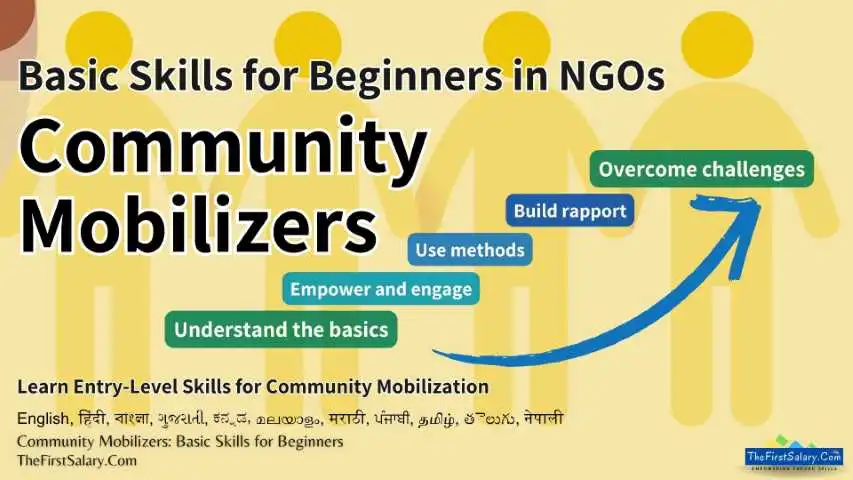
- Understand the basics: Learn the essential principles and practices for mobilizing communities.
- Build relationships: Discover techniques to create strong, trust-based relationships within communities.
- Empower and engage: Develop skills to empower community members, advocate for their needs, and effectively engage with stakeholders.
- Overcome challenges: Learn strategies to identify and tackle common obstacles in community mobilization.
- Use technology: Understand how to leverage technology to enhance community outreach and engagement efforts.
Course Curriculum
Introduction to the e-Learning Course
This introduction lesson will guide you step by step on how to make the most of this course.
Module 1: Foundations of Community Mobilization
Community mobilization brings stakeholders together, ensuring sustainable change through needs assessment and understanding community dynamics.
-
-
-
-
QUIZ: Foundations of Community Mobilization
Module 2: Building Community Relationships
Building trust and rapport through stakeholder engagement and relationship skills is vital for effective community mobilization.
-
Lesson 1: Stakeholder Engagement and Relationship Building
-
Lesson 2: Effective Skills and Techniques for Trust and Rapport
-
QUIZ: Building Community Relationships
Module 3: Facilitating Community Engagement
Planning and facilitating meetings, workshops, and field activities are essential for effective community engagement and participation.
-
Lesson 1: Planning Effective Meetings
-
Lesson 2: Workshop Facilitation
-
Lesson 3: Field Activities and Outreach
-
QUIZ: Facilitating Community Engagement
Module 4: Community Mobilization
Strategic mobilization, ethical considerations, counseling, support, and legal compliance are crucial for successful community projects.
-
Lesson 1: Strategies for Mobilization
-
Lesson 2: Mobilization Campaign Planning and Execution
-
Lesson 3: Ethical Considerations in Community Mobilization
-
Lesson 4: Community Counseling and Support
-
Lesson 5: Legal and Regulatory Compliance for Community Mobilization
Module 5: Empowerment, Advocacy and Stakeholder Engagement
Empowering marginalized groups, effective advocacy, and stakeholder engagement are key to inclusive community development and lasting change.
-
Lesson 1: Engaging Marginalized Groups
-
Lesson 2: Empowerment
-
Lesson 3: Advocacy
-
Lesson 4: Stakeholder Engagement
-
QUIZ: Empowerment, Advocacy and Stakeholder Engagement
Module 6: Addressing Common Challenges in Community Mobilization
Overcoming resistance, ethical engagement, cultural sensitivity, and conflict resolution are essential for successful community mobilization.
-
Lesson 1: Overcoming Resistance and Opposition
-
Lesson 2: Ethical Engagement and Cultural Sensitivity
-
Lesson 3: Crisis Management and Conflict Resolution
-
QUIZ: Addressing Common Challenges in Community Mobilization
Module 7: Utilizing Technology for Community Engagement
Technology tools and digital strategies enhance community outreach, digital advocacy, and online campaigning.
-
Lesson 1: Technology Tools for Community Outreach
-
Lesson 2: Digital Advocacy and Online Campaigning
-
QUIZ: Utilizing Technology for Community Engagement
Module 8: Monitoring and Evaluation in Community Mobilization
Monitoring and evaluating community programs is crucial for assessing effectiveness, making informed decisions, and improving future initiatives.
-
Lesson 1: Introduction to Monitoring and Evaluation
-
Lesson 2: Evaluating Program Impact and Effectiveness
-
QUIZ: Monitoring and Evaluation in Community Mobilization
Module 9: Resource Mobilization and Management
Effective resource mobilization and management, including fundraising and in-kind resource acquisition, sustain community projects.
-
Lesson 1: Fundraising Strategies for Community Projects
-
Lesson 2: In-Kind Resource Acquisition
-
QUIZ: Resource Mobilization and Management
Module 10: Sustainable Development and Environmental Conservation
Sustainable development, community resilience, and disaster preparedness are vital for long-term well-being and environmental health.
-
Lesson 1: Sustainable Development Principles
-
Lesson 2: Community Resilience and Disaster Preparedness
-
QUIZ: Sustainable Development and Environmental Conservation
Module 11: Gender Equality and Social Inclusion
Promoting gender equality, social inclusion, and diversity ensures equitable community development and inclusive communities.
-
Lesson 1: Gender Mainstreaming in Community Development
-
Lesson 2: Social Inclusion and Diversity
-
QUIZ: Gender Equality and Social Inclusion
Module 12: Health Promotion and Well-being
Health promotion strategies and mental health support are fundamental for improving community health and well-being.
-
Lesson 1: Public Health Education and Awareness
-
QUIZ: Health Promotion and Well-being
Module 13: Conflict Resolution and Peacebuilding
Conflict resolution, reconciliation, and peace-building strategies are essential for maintaining harmony and unity within communities.
-
Lesson 1: Conflict Analysis and Resolution
-
Lesson 2: Reconciliation and Healing
-
QUIZ: Conflict Resolution and Peacebuilding
Module 14: Career Development and Professional Growth
Community mobilization skills open career advancement opportunities and professional growth through clear career advancement planning.
-
Lesson 1: Exploring Career Advancement after Community Mobilization
Module 15: Course Recap and Resources
In this module, we’ll cover key final steps: avoiding common mistakes, reviewing course highlights, and understanding important terms to ensure your readiness for success.
-
Common Mistakes and How to Prevent Them
-
Glossary of Key Terms
-
Course Recap
Earn a certificate of completion.
Earn this certificate of completion after enhancing your basic skills & increased knowledge base.
Student Ratings & Reviews

5.0
Total 2 Ratings
5
2 Ratings
4
0 Rating
3
0 Rating
2
0 Rating
1
0 Rating
Yes it's was a good match as I learned a new things and experience and i learn a lot from this course
Quite lengthy, though very useful course!
Suitable not only for beginners, also for community workers having 1 to 4 years of experience.
Material Includes
- Online Study Materials: Engaging and informative lessons covering key of the lessons.
- Quizzes: Short quizzes after most of the module to test your understanding and reinforce learning.
- Cases: Real examples to illustrate the application of the topics.
- Certification: A certificate of completion upon successfully finishing the course.
₹450.00
₹500.00
(Including Tax)*
-
LevelBeginner
-
Duration45 hours
-
Last Updated15/12/2025
-
Enrollment validityEnrollment validity: 180 days
-
CertificateCertificate of completion
Hi, Welcome back!
A course by
Sanjeev Kumar
Director- General Academy for Basic Brilliance and Upskilling

TheFirstSalary.Com
General Academy for Basic Brilliance and Upskilling
Requirements
- Age: 18 years or above
- Education: 10+2, Graduation (BSW, BA, BSc, BCom or similar) is a plus.
- Work Experience: Fresher or experienced with 1 to 3 years in NGOs is a plus.
- Time Commitment: Spend 6 to 8 weeks, investing 6 to 8 hours per week, with each module taking approximately 3 hours.
- Communication Skills: Basic proficiency in communication, both written and verbal.
- Device and Internet: Use a computer or mobile device with reliable internet. Know how to use online platforms and submit assignments.
- Basic Computer Literacy: Ability to navigate online platforms, access online materials, and submit assignments online.
- Language Proficiency: Basic understanding of English to comprehend course content and participate in activities. Translations in regional languages may be available, but accuracy is not guaranteed.
- Motivation to Learn: A strong desire to improve your skills.
- Understanding of Social Issues: Know basic social problems and want to make positive changes.
- Open Mindset: Willingness to learn and apply new strategies for handling workplace challenges.
- Active Participation: Engage with course materials, complete exercises, and participate in discussions.
- Professional Attitude: Approach the course with a focus on personal growth and professional development.
Target Audience
- Aspiring Community Mobilizers and NGO Workers in outreach
- Social Workers, Volunteers and Youth Leaders driving change
- Local Government Officials leading projects
- Health Workers promoting health
- Environmental Activists for sustainability
- Community Organizers refining strategies
- Development Professionals expanding skills
- Grassroots Members initiating projects